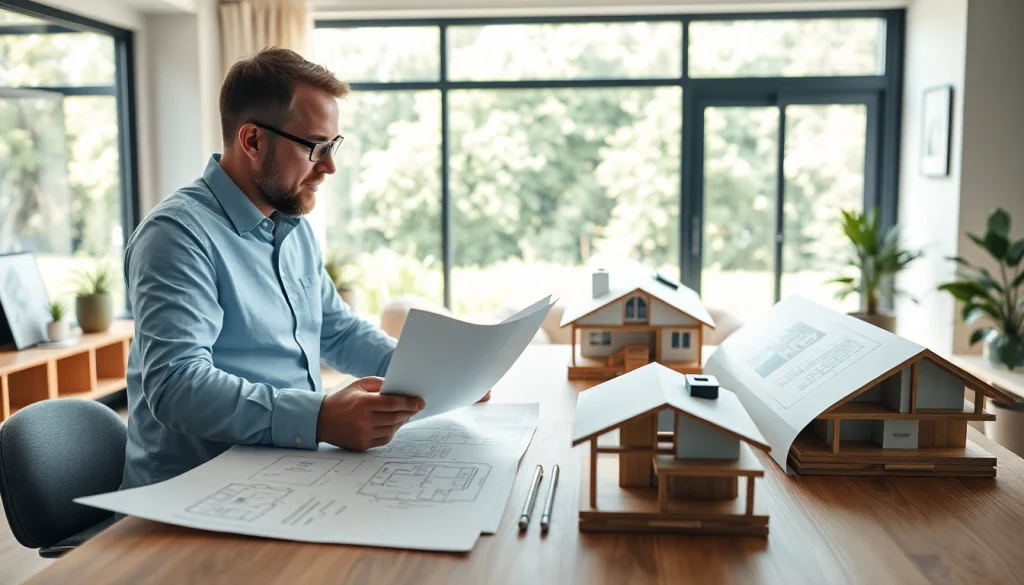
Understanding Namų Projektai
What are Namų Projektai?
Namų projektai, or home projects, refer to the various designs and architectural plans created for residential buildings. These projects encompass a wide range of styles, layouts, and functionalities to meet the diverse needs of homeowners. Whether someone desires a modern aesthetic or a more traditional appearance, the concept of namų projektai allows for infinite customization and creativity in home design.
The significance of namų projektai can be seen in their ability to align personal taste with architectural innovation. They encompass everything from the initial sketches to detailed blueprints that guide the construction process. This important aspect of homebuilding ensures that each dwelling addresses the environmental, economic, and lifestyle needs of its occupants.
Importance of Home Design
The design of a home is more than just aesthetics; it has profound implications on daily living. A well-designed home enhances comfort, functionality, and even emotional well-being. For instance, well-planned spaces that maximize natural light and airflow contribute to healthier living conditions. Good design also considers future needs, ensuring that the space remains functional as the family’s needs evolve.
Moreover, effective home design can significantly impact energy efficiency. As sustainable living becomes increasingly vital, incorporating eco-friendly materials and designs into home projects helps in reducing carbon footprints, lowering utility bills, and supporting overall environmental sustainability.
Key Trends in Namų Projektai
Recent trends in home design emphasize flexibility and adaptability. Open floor plans are becoming more popular, as they allow families to use their space more creatively. Additionally, the integration of smart home technology is streamlining household tasks, enhancing energy efficiency, and improving security. Other trends include the use of sustainable materials, biophilic design elements that blend indoor and outdoor environments, and home designs aimed at maximizing space in urban settings.
Types of Namų Projektai Available
Individual vs. Repetitive Designs
Namų projektai generally fall into two categories: individual designs and repetitive designs. Individual designs are tailored to the specific needs and preferences of a homeowner, often resulting in unique, custom-built homes that reflect personal style and functional requirements. These designs can incorporate specific materials, layouts, and architectural features to meet the homeowner’s vision.
On the other hand, repetitive designs often employ standard templates or blueprints that can be used for multiple projects. These designs are usually more cost-effective and quicker to implement, making them attractive to developers and homebuyers who desire efficiency without extensive customization.
Popular Styles and Features
The beauty of namų projektai lies in their variety. Popular architectural styles include:
- Modern: Characterized by clean lines, large windows, and minimalistic design.
- Traditional: Often features brick or stone facades with pitched roofs and classic detailing.
- Cottage: Typically cozy, featuring wood components and whimsical layouts.
- Industrial: Focusing on exposed materials like metal and concrete, offering an edgy urban feel.
Homeowners and architects alike can incorporate these styles and features based on personal preference and regional considerations, such as climate and environmental regulations.
Customization Options for Namų Projektai
Customization is at the forefront of the namų projektai experience. Homeowners can customize everything from the layout and materials used to the finishes and energy systems employed. Customization allows for the creation of spaces that cater specifically to the lifestyles and preferences of the inhabitants. This might include designing a chef’s kitchen, creating a home office, or establishing outdoor living areas that seamlessly connect to the indoor spaces.
Furthermore, homeowners can work with architects to design multi-functional spaces that adapt over time, such as guest bedrooms that transform into home gyms or playrooms as the family grows.
Selecting the Right Project for Your Needs
Factors to Consider
Choosing the right namų projektai involves considering several factors:
- Location: The geographical area influences design choices. Climate, local building regulations, and community aesthetics can dictate what styles and materials will work best.
- Budget: Establishing a clear budget is crucial. Costs can add up quickly with customizations, so it’s essential to include allowances for unforeseen expenses.
- Future Needs: Families should consider their long-term plans when designing their homes, allowing room for growth and flexibility based on potential lifestyle changes.
Budgeting for Your Namų Projektai
Budgeting is one of the most critical steps in any home project. It’s essential to break down the costs associated with various aspects of the build, including:
- Land acquisition costs
- Construction materials and labor
- Permitting and fees associated with local regulations
- Interior fixtures and finishes
Working with financial advisors or professionals experienced in home project budgeting can provide insights into managing expenses and identifying potential areas for savings.
Working with Professionals in Home Design
Engaging professionals like architects and designers can vastly improve the outcomes of namų projektai. Experts in the field bring experience, technical knowledge, and a vision that aligns with the homeowner’s ideas. They can help navigate complex design issues, offer creative solutions, and ensure compliance with local building codes.
Additionally, professionals can assist in project management, coordinating with contractors and suppliers, which can alleviate the stress often associated with home building. Choosing professionals with proven track records and creativity is vital to achieving the desired results.
Steps in the Design Process
Initial Consultation and Planning
The design process begins with initial consultations, during which homeowners can outline their vision and needs. Architects and designers typically gather information about lifestyle preferences, budget constraints, and ideal timelines. During this phase, sketches and initial concepts are developed, allowing for preliminary feedback and adjustments.
Drafting and Approval Phases
Following initial discussions, detailed drawings are created. These drafts include floor plans and elevations to provide a comprehensive view of the proposed project. Homeowners review these documents and make necessary revisions. Once the design is finalized, it will often require approval from local authorities, ensuring compliance with zoning laws and building regulations.
Obtaining permits can sometimes be lengthy; therefore, it is crucial to account for this in the overall timeline for project completion.
Execution and Supervision of Construction
Upon receiving the necessary approvals and permits, construction can commence. This phase involves the physical execution of the design, where skilled tradespeople bring the vision to life. Continuous oversight is vital to ensure that the construction aligns with the planned designs and specifications. Regular site visits by architects or project managers can address any issues promptly, maintaining standards of quality throughout the building process.
Best Practices for Successful Namų Projektai
Collaborating with Architects
Successful collaboration with architects hinges on clear communication and mutual respect. Homeowners must express their needs, while architects should provide guidance and expert advice on feasibility, cost, and design integrity. A collaborative approach fosters creative solutions that harmonize aesthetics and functionality while ensuring that each design decision is informed by professional insights.
Sustainable Practices in Home Design
As the focus on sustainability continues to grow, it is essential to incorporate eco-friendly practices into home design. This can be achieved through the use of energy-efficient appliances, sustainable building materials, and innovative design strategies that reduce environmental impact. Implementing green roofs, rainwater harvesting systems, and solar panels are also options that can align with sustainable living goals while enhancing the overall value of the property.
Ensuring Long-term Satisfaction with Your Home
Long-term satisfaction with a home design comes from building a space that evolves with its inhabitants. Considerations for the future, such as flexibility in design and the use of durable materials, can lead to lasting contentment in one’s home. Homeowners should regularly evaluate their home’s functionality after moving in and be willing to modify spaces to reflect changing needs. This adaptability helps foster a sense of belonging and ensures that the home continues to meet the occupants’ lifestyle preferences effectively.