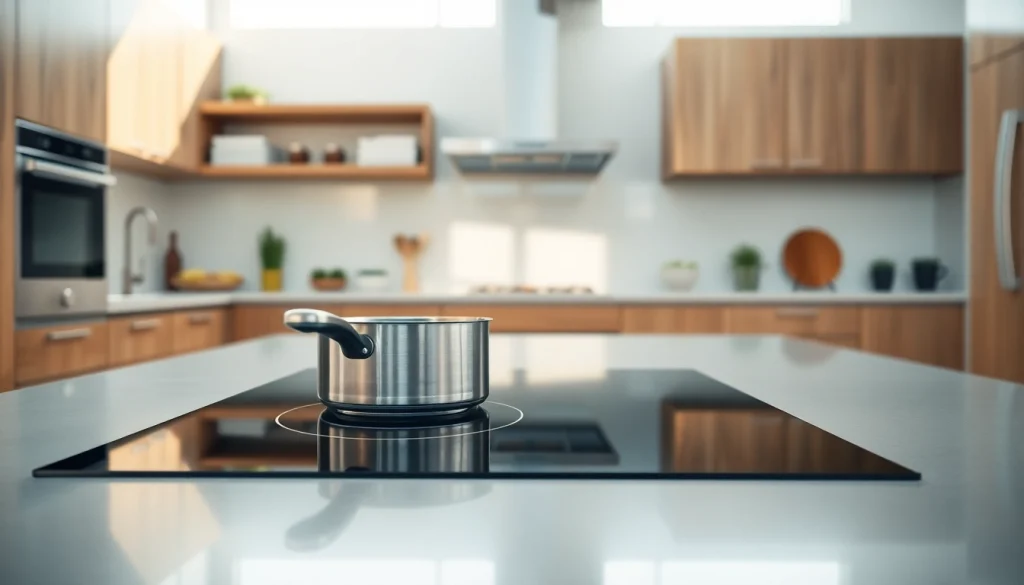
What is an Induction Hob?
Induction hobs are an innovative and increasingly popular alternative to traditional gas and electric cooktops. They utilize electromagnetic energy to directly heat pots and pans rather than relying on an external heating element. This technology not only offers faster cooking times but also provides enhanced precision and control. For those looking to upgrade their kitchen, understanding the ins and outs of the induction hob can be invaluable.
Defining Induction: How It Works
The magic of induction cooking lies in its unique method of heat transfer. An induction hob features coils of copper wire beneath its smooth glass surface. When an induction-compatible pot or pan is placed on the hob, the electromagnetic field created by the coils causes the cookware to heat up. This process heats the pan directly, transferring energy to the food within, while the hob itself remains relatively cool to the touch. This efficient use of energy not only ensures speedy cooking times but also minimizes the risk of burns or accidents, making it an ideal choice for households with children.
Comparing Induction Hob to Other Cooktop Types
When comparing induction hobs to other cooktop types, several distinctions emerge:
- Efficiency: Induction hobs are about 90% efficient compared to electric and gas cooktops, which typically operate at around 70% efficiency. This translates to faster cooking times and reduced energy consumption.
- Control: Induction cooktops offer precise temperature control, allowing for quick adjustments. If a recipe calls for simmering rather than boiling, you can switch settings instantly with minimal temperature lag.
- Safety: With no open flames and a cool cooking surface, induction hobs reduce the risk of accidental burns, making them an appealing choice for families. Once you remove the pan, the induction hob will cool down quickly.
- Easy Maintenance: The flat surface of an induction hob means that spills do not burn onto the surface, making cleanup a breeze.
Key Features of Induction Hobs
Induction hobs come with a variety of features designed to enhance the cooking experience:
- Touch Controls: Many induction hobs feature sleek touch controls for ease of use and a modern aesthetic.
- Booster Function: This feature allows you to achieve maximum heat output for a limited time, perfect for boiling large pots of water quickly.
- Safety Features: Many models include child safety locks and automatic shutoff mechanisms that activate if a pot is removed.
- Flex Zones: Some hobs provide flexible cooking zones that can accommodate larger cookware or multiple smaller pots, maximizing versatility.
Benefits of Using an Induction Hob
Efficiency and Speed in Cooking
The efficiency of induction cooking is one of its most significant benefits. Because the heat is generated directly in the cookware, induction hobs can often boil water up to 50% faster than traditional electric stoves. The increase in efficiency not only speeds up your cooking time but also saves on energy costs over time. Additionally, the precise control over temperature allows for delicate cooking techniques that can elevate your culinary creations.
Safety Features for Peace of Mind
Safety is paramount in any kitchen, especially for families. Induction hobs mitigate some common cooking hazards through their design. The lack of an open flame and the cooler surface significantly reduce the risk of burns. Moreover, most induction hobs are equipped with features like child safety locks, automatic shutoff functions, and heat indicators that alert you when the surface is still hot. This makes them especially suitable for homes with active children or shared kitchen spaces.
Ease of Cleaning and Maintenance
Another appealing aspect of induction hobs is how easy they are to clean. Since the glass surface remains relatively cool while cooking, spills do not bake onto the surface, making it simple to wipe down after meals. Many models also feature removable drip trays, enhancing maintenance even further. This ease of cleaning can be a significant advantage for busy families and individuals who prefer to maximize their time in the kitchen.
Choosing the Right Induction Hob for Your Needs
Understanding Size and Power Requirements
When shopping for an induction hob, it’s essential to consider the available space in your kitchen, as well as your cooking needs. Induction hobs come in various sizes, typically ranging from 30cm to 90cm in width. Standard households often favor 60cm models for their balance between cooking capacity and space efficiency. It’s also crucial to check the power ratings; higher wattage generally correlates with faster heating capabilities and more powerful cooking.
Examining Features and Controls
The features of an induction hob can significantly affect your cooking experience. Touch controls are often favored for their sleek design and ease of use, while knobs may provide a more tactile option. Consider what additional features you might find helpful, such as timers, multiple cooking zones, and flexibility of cooking zones. If you’re someone who enjoys tackling multi-course meals or batch cooking, an induction hob with multiple burners and configurations may suit you best.
Comparing Brands and Models
With numerous brands and models on the market, it’s important to conduct thorough research. Consider factors like warranty, customer reviews, and the reputation of the manufacturer. Some reputable brands produce high-quality induction hobs, including Bosch, Samsung, and Ciarra. Comparing models based on user feedback and expert reviews will help ensure that you invest in a reliable unit that meets your cooking demands.
Common Concerns and Misconceptions About Induction Hobs
What Pans Are Compatible with Induction?
One common misconception about induction cooking is that it can work with any type of cookware. For induction hobs to function, the pots and pans used must be ferrous (magnetic), allowing the hob’s electromagnetic fields to heat them. Cookware made from stainless steel, cast iron, and certain multi-clad pans are generally induction compatible. On the other hand, aluminum or copper pans without a magnetic base will not work. Checking for compatibility is crucial before purchasing your cookware.
Potential Disadvantages of Induction Cooking
While induction hobs offer numerous benefits, they may not be suitable for everyone. One of the primary drawbacks is cost; induction hobs tend to be pricier than their traditional counterparts. Additionally, if a power outage occurs, you may be unable to cook unless you have an alternative method. Some users also report a learning curve in terms of adapting to the rapid response of induction cooking, particularly when adjusting heat levels during delicate tasks.
Resolving Common User Issues
Like any appliance, induction hobs can present some challenges. One common issue is cookware that doesn’t activate the hob. Users should ensure their pots are labeled as induction-compatible and check the base’s magnetic properties. Additionally, if the hob turns off unexpectedly, it may be a safety feature that engages due to an empty pan or cookware that isn’t recognized. Always refer to the manufacturer’s instructions for troubleshooting guidance, and remember that most issues can be resolved with proper usage.
Expert Tips for Cooking with Induction Hobs
Best Practices for Optimal Cooking Results
To make the most of your induction hob, consider following these expert tips:
- Use the Right Cookware: Ensure your cookware is flat and has a smooth bottom to maximize contact with the surface. Cookware should be at least 12cm in diameter for efficient heat transfer.
- Preheat Carefully: Unlike traditional cooking methods, you may need less time to preheat with induction cooking. Adjust your cooking times accordingly for best results.
- Maintain Consistent Temperature: Use the boost function judiciously for quick heating but switch to lower settings for simmering or slow cooking to avoid burning food.
Experimenting with Different Recipes
Don’t hesitate to experiment with various cooking methods to fully utilize the capabilities of your induction hob. Whether you’re sautéing vegetables, boiling pasta, or crafting delicate sauces, an induction hob can handle a diverse array of techniques. Moreover, many cookbooks and online resources offer specific recipes tailored for induction cooking, helping you discover new culinary possibilities.
Maintaining Your Induction Hob
Proper maintenance can extend the life of your induction hob and keep it performing at its best. Regularly inspect the cooking surface for scratches or chips that may require attention. To clean, simply wipe with a damp cloth after it has cooled down, and use a glass cleaner for tough stains. Additionally, consider periodic professional servicing if you notice any unusual performance issues, ensuring that the internal components function optimally.